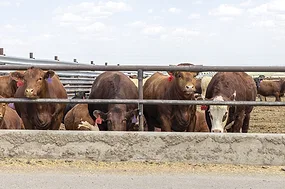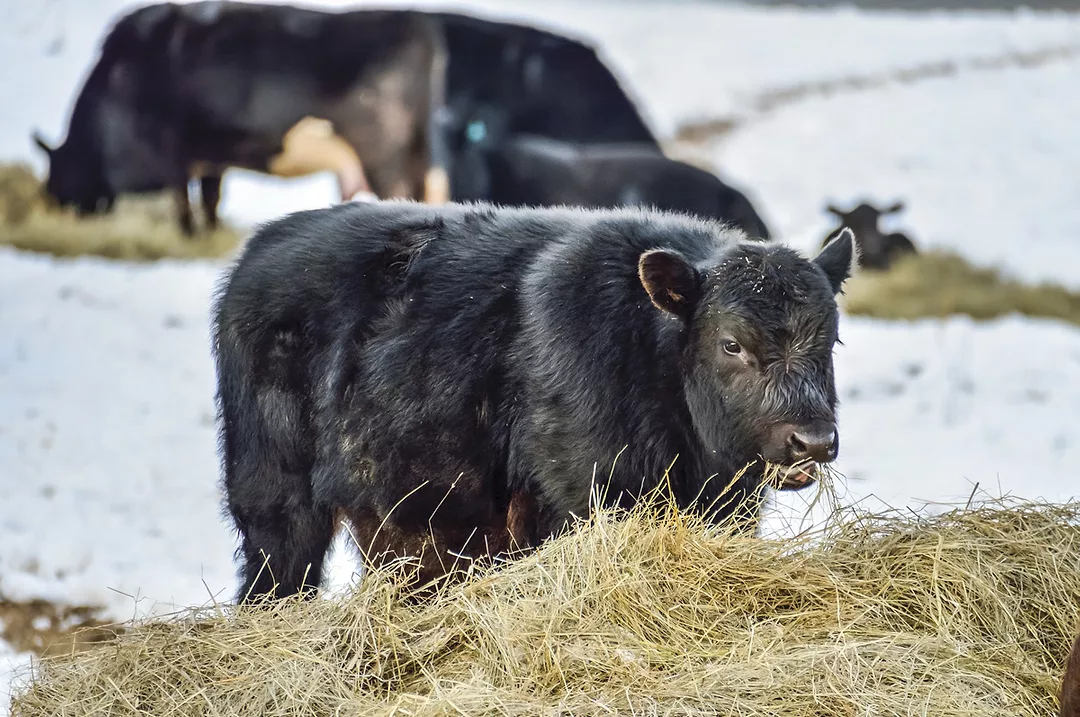
As the chill of winter begins to settle in across cattle country, producers often face nutritional challenges where management decisions carry long‑lasting consequences. Cold weather doesn’t just make running equipment and feeding more difficult; it fundamentally alters the nutrient requirements of the beef cow herd. Understanding how the nutritional needs of cattle are impacted by winter weather can be vital for keeping cows in the ideal condition for calving and reproductive performance.

Beef cattle, like all mammals, have a thermoneutral zone (TNZ), which is a range of temperatures where they can maintain body heat without expending extra energy. Once conditions fall below the lower critical temperature, cows must burn more energy simply to stay warm. For a cow in good body condition with a heavy, dry winter coat, that threshold is around 18°F. But thin cows, or those with wet or muddy coats, may begin to experience cold stress at temperatures exceeding 40°F. Research shows that energy requirements increase by about 1% for every degree Fahrenheit below the critical threshold. This jumps to almost 2% if the animal is wet.
Thus, in response to cold weather events, cattle will naturally increase feed intake by 2% to 25%, depending on the intensity of the cold, to meet their energy needs. This may require additional feed or higher-quality feeds to meet their nutrient demands. Without adjustments in management, cows can lose body condition. These effects can potentially ripple forward into calving season, impacting colostrum quality, calf vigor and rebreeding success.
Body condition score (BCS) remains the single best predictor of cattle reproductive performance. Cows calving at a BCS of 5 to 6 are far more likely to calve and return to estrus by breeding time. Thin cows (those with a BCS lower than 5) will not only struggle more through winter, but also will return to estrus later in the breeding season and will wean lighter calves the following fall due to the delayed conception.
Additionally, thin cows stressed by winter weather conditions will also likely produce lower-quality colostrum, resulting in lethargic calves that are more susceptible to illness. Adding body condition is far easier in the fall after weaning than trying to recover it in the winter during late gestation or postpartum. For these reasons, sorting thin cows and first‑calf heifers into separate groups for targeted supplementation is a common management strategy. In general, managing all cows in the herd to obtain and maintain a 5 to 6 BCS throughout the winter period becomes essential for meeting cattle production expectations.
Forage quality is another cornerstone of winter feeding. Hay, baleage and silage can vary widely in nutrient content, even within the same stack or field. Typical hay samples can range from less than 7% to over 20% crude protein (CP) and from 45% to over 60% total digestible nutrients (TDN). Depending on the stage of pregnancy or production, cattle often require 8% to 12% CP and 45% to 65% TDN for maintenance. Testing forage quality and knowing the actual nutrient profile allows producers to balance feeding to meet animal requirements more precisely. Depending on the stage of pregnancy, protein supplementation becomes especially important when forage quality drops below 8% to 10% CP, as it improves forage intake, digestibility and microbial activity in the rumen.
Additionally, ruminal fermentation of forages generates heat that helps maintain the body temperature of cattle in the winter. Heat from the rumen typically peaks around four to six hours postfeeding. Therefore, one strategy to aid in managing cold weather is to feed in the evenings so the peak heat from fermentation happens during the cold of the night.
Another strategy during cold conditions is energy supplementation. Corn is a common and effective energy supplement, but it must be fed very carefully; more than 2 to 3 pounds per head per day can depress forage digestion, especially when protein in the diet is limited. Dried distillers grains (DDGs) are another option, offering both protein and energy with a lower risk of reducing forage intake. However, extreme cold conditions can push cattle's nutrient requirements to impossible levels for maintenance. In such cases, it is often more realistic to provide a moderate supplement during the storm and continue feeding once the weather improves, allowing cows to recover lost energy reserves.
Water, often overlooked in winter, is in fact the most limiting nutrient. Cows are estimated to drink approximately one gallon per 100 pounds of bodyweight during cooler weather. Frozen, inaccessible or inadequate water quickly reduces feed intake and undermines the cattle’s energy balance. Heated or insulated tanks, frost‑free water systems or even manual ice breaking are all solutions, but the key is to ensure cattle always have access to clean, unfrozen, accessible water.
Windy conditions strip away the insulating effects of hair and fat, dramatically increasing heat loss and raising the energy requirements of cattle. Because of this, shelter can also play a major role in mitigating the increasing nutrient requirements of cattle during cold weather. Windbreaks, whether natural or constructed, block the wind substantially, increasing the experienced temperature of cattle and reducing their overall energy requirements.
In conclusion, winter feeding is more than just keeping hay in front of cows. It is an investment in the profitability and long‑term health of the herd. By testing forages, monitoring body condition, adjusting for cold stress, and investing in water and shelter, producers can maintain cow condition, ensure vigorous calves and protect reproductive performance.