Anyone who has been in this business long enough knows cattle markets are cyclical and has lived through the highs, the lows and everything in between. When the time comes and we move into a period of softer cattle prices, conversations on many operations will naturally shift. When prices are strong, it is easier to absorb inefficiencies. When prices soften, those same inefficiencies can show up quickly on the bottom line.

The operations that weather market shifts best are not the ones chasing last-minute fixes. They are the operations that have consistently focused on what they can control and have made continuous improvements long before the market turned. Spring is a pivotal time for that mindset. Decisions being made now, in the early breeding season leading into weaning, can shape reproductive performance, calf quality and overall risk exposure for the year ahead.
Risk management starts with what you can control
When we talk about risk in the cattle business, markets tend to dominate the discussion. Price volatility is real, and it is largely outside any individual producer’s control, but market risk is only part of the equation.
A significant portion of production risk is manageable with disciplined and systematic decision-making. Cow condition and management consistency fall squarely into the “controllable” category. The challenge is these levers require early attention, not reaction after the fact.
Disciplined operations approach risk as a system, not a single decision. They understand that many of the problems that show up at pregnancy check or weaning did not start there; they started months earlier, when foundational management decisions were made – or deferred.
Body condition score: The most powerful lever producers have
Body condition score (BCS) is one of the clearest examples of proactive versus reactive management. It is visible, measurable and actionable, and it tells you a lot about where a cow is headed reproductively. Small differences in body condition can translate into meaningful differences in outcomes. Thin cows that are behind do not just cost more to catch up; they carry higher reproductive risk.
Cows entering calving and breeding in adequate body condition are far more likely to cycle, conceive and maintain pregnancy. In research trials evaluating BCSs, heifers with a BCS equal to or greater than 6 outperformed heifers with a BCS less than or equal to 4 by up to 30% in pregnancy rate, and cows with a BCS of at least 5 conceived earlier in the breeding season than cows with a BCS lower than 5.
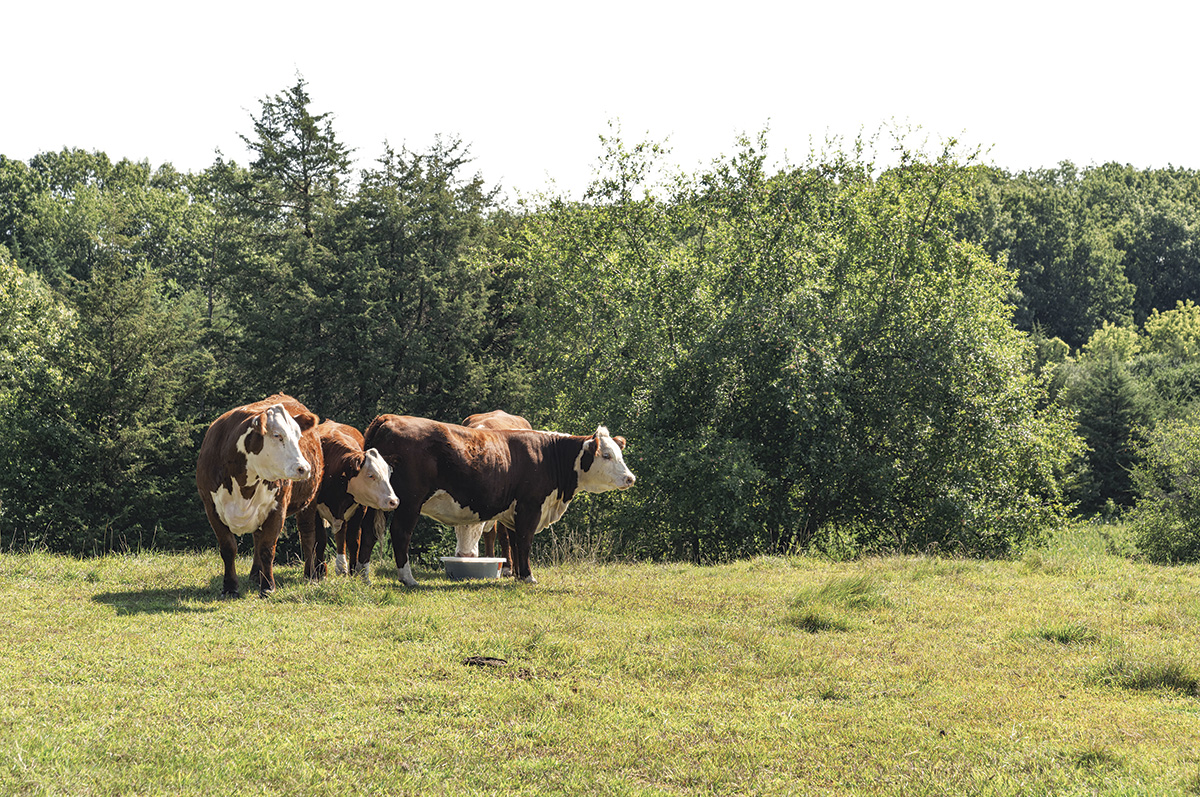
Image courtesy of Purina Animal Nutrition.
BCS at calving also influences time to rebreeding. Cows at BCS 7 returned to estrus about 58 days sooner than those at BCS 3.
It is far less expensive, and far less risky, to maintain a condition than it is to rebuild it under a time pressure. In softer markets, avoiding preventable reproductive losses becomes just as important as driving production.
Reproductive efficiency: Small gains, big financial impact
Reproductive efficiency drives long-term herd profitability more than almost any other factor. A 2020 article on economic projection estimated each 1% decline in pregnancy rate can reduce returns by approximately $6.25 per open cow, with total annual industry losses in the billions due to reproductive failure.
Even modest improvements in pregnancy rate can materially change an operation’s financial picture and, when markets tighten, every open female matters. Losing pregnancies reduces not only calf numbers but also marketing flexibility and cost efficiency.
Nutritional consistency, stress management and overall cow health all affect early gestation. Once breeding season is underway, many of the outcomes are already largely determined.
This applies across operation types: commercial cow-calf, seedstock and retained-ownership programs. The cost of inefficiency may show up in different places, but the underlying drivers are the same.
The takeaway is simple: Reproductive efficiency is not just a biological metric. It is a risk management strategy.
Discipline creates optionality when prices soften
Softer markets do not reward shortcuts. They reward discipline. The calves that move through the system most smoothly tend to come from operations that manage risk upstream. Decisions made at the cow-calf level – nutrition, health management, breeding discipline – ripple through the value chain. Uniformity in size, health and performance reduces friction at every step.
Recentering on controllable factors, planning early and committing to systems-based decision-making all create optionality. They give producers more flexibility when conditions change, whether that change comes from markets, weather or input costs.
Efficiency is about doing the right things, consistently, at the right time to not only protect margins but also to protect options.