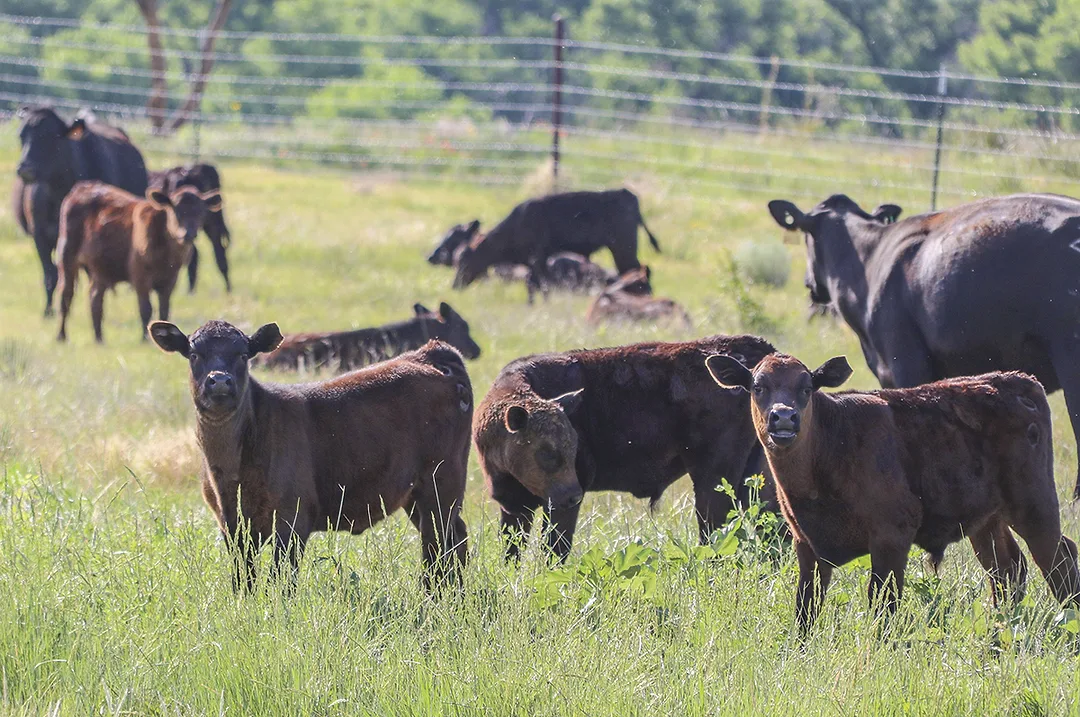
Summer’s warmth and sunshine should spell carefree days for young nursing calves, with pastures coming to life and the stresses of harsher weather in the past. Yet, behind this idyllic curtain, the threat of summer pneumonia lies in wait, ready to challenge newborns’ health and well-being.

Russ Daly, extension veterinarian at South Dakota State University, notes “summer pneumonia” is technically a misnomer. Producers use the term because it occurs in nursing calves on pastures during summer, unlike “fall pneumonia,” the label typically applied to feedlot cattle after weaning.
“No particular bug is associated with this pneumonia as they’re all similar in their pathogenesis and how they develop,” Daly explains. “It doesn’t matter whether it’s a young calf or a feedlot animal after being transported.”
Colostrum and fading immunity challenges
Summer pneumonia is unusual because pairs on pasture aren’t exposed to typical stressors or risk factors for bovine respiratory disease. They’re well cared for and spread out, so issues are rare. While they don’t usually experience the high death rates seen with feedlot outbreaks, postmortem exams often reveal the same bacteria found in older animals, including mannheimia, histophilus and mycoplasma.
Calf pneumonia tends to occur in two distinct age groups.
“For newborns in their first month or two, the main risk factor is insufficient colostrum intake,” Daly says. “This limits their antibodies and weakens their defenses against infection, making them especially vulnerable.”
Later in the season, older calves face a different challenge. Although they likely started with strong colostral protection, immunity fades over time.
“If this decline happens simultaneously, overall herd immunity drops, making them more susceptible to group pneumonia,” Daly says.
Environmental factors
Laura Meier, technical service veterinarian at Valley Vet Supply, believes that beyond colostrum intake and fading immunity timelines, the biggest triggers are influenced by environmental and weather conditions, including heat stress and dust.
“Calves stay healthier when they have shade, water and low dust exposure,” Meier says. “Drylot conditions, drought and overcrowding increase dust and pathogen load, stressing their immature immune systems. More animals in less space means more disease pressure.”
Additionally, Meier explains that grazing fresh green grass provides key vitamins, especially vitamin A, which strengthens immunity.
Monitoring symptoms
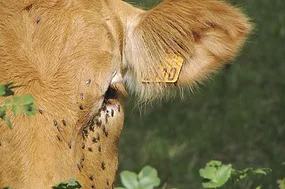
Even when ill, it’s tough to make accurate identifications. It’s important to learn the visual signs: calves lagging behind, not nursing promptly, droopy ears, nasal discharge, empty bellies or cows with unusually full udders.
“Regular observation is key; checking them often helps spot sickness early,” Meier says. “If we only get a small screenshot of them every two weeks, we’re going to miss them. We’ll be able to spot the unusual if they’re checked more often.”
Unfortunately, summer pneumonia spreads easily due to frequent nose-to-nose contact and shared fencelines. Overcrowding and limited shade worsen the problem as calves bunch together in the heat.
“It’s very contagious, and when they’re tightly grouped, they’ll all become colonized with the bacteria,” Daly says. “At this stage, hopefully their immune systems will keep it localized to the nasal passages and out of the lungs.”
Management strategies
Daly suggests keeping the calving season as tight as possible to limit transmission, as pneumonia risk is linked to age variation. Older, more immune calves carry and spread bacteria to younger, more vulnerable ones, even when they don’t show symptoms.
“This can also be kind of a double-edged sword,” Daly admits. “With a tight distribution, it might mean a large group loses their immunity from the maternal antibodies at the same time, or the exposure is more uniform, resulting in dramatic problems.”
Of course, practices such as providing adequate shade and controlling dust will also improve health.
Vaccinations for both cows and calves
Meier says well-vaccinated herds are better equipped to handle health challenges, benefiting both mothers and offspring.
“Babies will be less than 2 to 3 months of age, and during this time they’re relying almost solely on mom’s colostral antibodies,” Meier says, “so getting colostrum in them within 12 hours of birth is huge because we’re banking on mom’s care.”
For effective antibody transfer, it’s important cows are properly vaccinated, ideally between five and seven months of gestation, when colostrum antibodies are produced. Meier recommends using killed vaccines, especially when herd backgrounds are uncertain, as they are safe for pregnant animals. While some modified-live vaccines are approved for use in pregnant cattle, strict adherence to label directions is critical. She believes comprehensive herd protection should include a 5-way respiratory vaccine, clostridial vaccines and reproductive disease coverage such as lepto and vibrio. Good recordkeeping remains vital for accurately tracking vaccinations.
Meier favors intranasal vaccines for calves, especially those addressing both viral and bacterial pathogens.
“The thing to understand about colostrum is within the first two to three months of life, mom’s colostral antibodies block many injectable vaccines,” Meier explains. “The beauty of intranasal vaccines before turnout is they don’t get affected by mom’s colostrum, making them a valuable tool. It’s important to follow the label directions.”
Daly recommends having a thorough consultation with a veterinarian about vaccination timing and discussing when early vaccinations and the dam’s colostrum influences will taper off.
“With your vet’s help, try to assess when the calves are expected to break,” Daly says. “Once a timeline is confirmed, plan what could be done two or three weeks ahead to deliver a vaccine boost.”
Treating for success
Ruminants in general are prey animals and naturally hide illness, so when symptoms appear, the situation is often advanced, making immediate action crucial. Treat with antibiotics and anti-inflammatories as needed. While not easy to do on large, open pastures, a treatment method must be in place to deliver these antibiotics, whether this means roping to restrain or even using a dart gun. In the extreme heat, consider offering a separate water tank containing electrolytes to encourage drinking and prevent dehydration and heat stress.
While spring brings new beginnings for calves, staying alert to potential health threats is key to maintaining their good health as they move through the summer months. By combining proactive vaccination, early colostrum intake and prompt treatment of sickness, producers can safeguard these vulnerable early days and ensure calves thrive throughout the season.