Reproduction is the most profitable trait a cow-calf producer can manage. Estrus synchronization is a powerful tool to help tighten calving windows, incorporate superior genetics and improve long-term herd efficiency. But even with the right protocol, results can fall short if the fundamentals aren’t in place.

Here are 11 common reasons synchronization programs underperform and how to make sure your program delivers top-end results.
1. Protocol success starts on the calendar
Timing errors are one of the most common reasons for failed protocols. Digital tools such as the Genex Beef app or the Estrus Synchronization Planner from the Beef Reproduction Task Force can aid in the planning process. Save the calendar, keep it on your phone and don’t forget to synch with your personal or family calendar, too. No one wants to breed cows on prom night or during spring break. Planning ahead is nonnegotiable. Don’t forget, if you plan to use A.I. with rebreeds, plan around the 18- to 23-day rebreed window.
2. Too soon to synch?
Cows that are too early postpartum or heifers that haven’t reached puberty won’t respond well to synchronization. Most cows need to be at least 45 to 60 days postpartum with a body condition score (BCS) of 5 to 6 to cycle regularly. Heifers should be 13 to 15 months old and at least 60% to 65% of their mature bodyweight. Protocols such as feeding melengestrol acetate (MGA) or the 14-day controlled internal drug release (CIDR) protocol can help induce puberty in young heifers, thus moving them up in the breeding season even if they don’t settle to A.I. Identifying which females are cycling makes a significant difference in conception rates.
3. Hormones 101
There are multiple brands of gonadotropin-releasing hormone (GnRH) and prostaglandins, and they are not all dosed the same. Each class of hormones has a specific effect on the reproductive cycle, and inadvertently switching products can completely alter the outcome. Giving the wrong dosage can lead to underdosing or overdosing – wasting product and sabotaging the protocol. Everyone involved in hormone administration should understand what the products do and how to handle them. If you realize a mistake has been made, act fast. There are often ways to salvage the protocol, but timing is critical.
4. Follow the protocol – no excuses
Protocols are developed from hundreds of research trials to identify the best timing for each event. They are proven to work, but only when followed exactly. Double-check hormone types, dosages, injection routes and timing windows. If the protocol says “66 ± two hours,” don’t shift it to fit your schedule. Understand the differences between conventional and sexed semen and how the timing changes with each. “Trust but verify” is the rule here. Always double-check the details, and if something goes wrong due to weather or an emergency, contact a reproductive specialist quickly.
5. Don’t underestimate the power of heat detection
Heat detection can improve conception rates – but only if done correctly. Tools such as heat detection patches can help identify females in estrus, while visual observation gives insight into the actual onset of heat, which is key for timing insemination. However, increased labor, added cattle handling and amplified stress on the herd can offset those benefits. If heat detection isn’t feasible for your operation, a fixed-time A.I. protocol may offer better consistency with fewer moving parts.
6. Cattle handling practices are part of the process
High-stress handling raises cortisol, which lowers fertility and disrupts ovulation. Low-stress handling isn’t just about moving slowly; it’s about reading cattle behavior. Focus on flight zones, vision lines and pressure-and-release techniques. Your movements and how you apply pressure are the number one factor in how cattle move. Cows can only focus on one thing at a time. If they’re distracted or fearful, they may freeze or turn back. Manage pressure carefully, reduce noise and avoid yelling or using hotshots. Let animals settle before asking them to move. Well-designed facilities should allow a calm, steady flow. Low-stress handling is everyone’s responsibility.
7. Mishandled semen = missed pregnancies
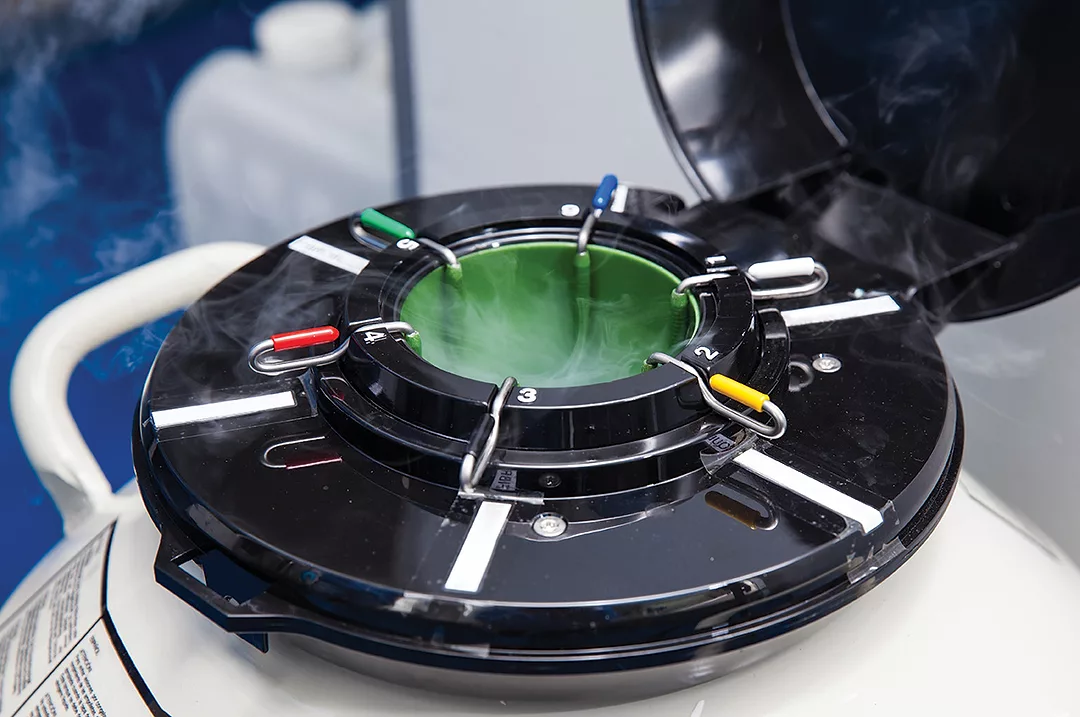
Straws are sensitive to environmental shifts. Protect them from wind, cold air and sunlight at all times. Never shake straws, as this can damage sperm. Minimize the exposure of the other straws in the tank by only working with a few canes at a time in your canister, and keep the canister as low as possible when pulling straws. Use a timer during thawing and always keep a backup thermometer in the thaw unit. Assign one person to load A.I. guns and stick to a consistent, efficient routine. Don’t pull more straws than necessary at once, and invest in a quality gun warmer. Leaving straws in a stable water bath is far safer than preloading them into guns that sit too long before use. With the industry’s migration to 1/4-cubic-centimeter straws, make sure you have universal guns that take both 1/4- and 1/2-cubic-centimeter straws, and update your gun-loading techniques to accommodate the smaller size and minimize semen exposure.
8. Transport timing matters
Embryos are most vulnerable during days five through 42 after A.I., which is when they transition from the fallopian tube into the uterus for implantation. Hauling recipients during this window increases the risk of pregnancy loss. If transport is necessary, the safest times are either within one to four days after breeding, or after 30 to 45 days when implantation is complete. Handle cattle calmly, avoid crowding and aim for cool, stable weather. On top of that, ensure postbreeding nutrition stays consistent. A sudden drop in feed quality or minerals – such as moving from a total mixed ration (TMR) to early spring pasture – can disrupt hormone function and reduce conception rates. Don’t let the finish line undo all your early efforts.
9. Don’t ignore overall herd health
Even the best protocols can’t overcome poor herd health. Vaccination programs, mineral intake, parasite control and consistent nutrition form the foundation of reproductive success. BCS should be monitored and managed months before breeding, not just in the weeks leading up to A.I. Healthy cattle respond better to protocols, conceive at higher rates and stay pregnant.
10. Protocol expectations
Synchronization is a tool, not a silver bullet. If you are seeing poor A.I. conception rates, the issue might not be the protocol itself. Look at your entire system: body condition, handling, hormone administration, semen handling and technician skill. Protocols help you manage the timing, but success depends on the execution at every step along the way.
11. Reproductive success is a team sport
You don’t have to do this alone. In fact, you will have better results as a team. Veterinarians, nutritionists, A.I. reps and reproduction specialists are valuable allies in making synchronization successful. Consult with your team when choosing products and protocols or managing unforeseen changes. Use digital tools, but also lean into human experience. A good team can spot potential issues before they become problems and help you adapt when things don’t go as planned.
Estrus synchronization isn’t just about getting more cows bred; it’s about getting the right cows bred at the right time for long-term profitability. By focusing on the details, staying consistent and building the right team, you will move beyond average results and get a full return on your investment.