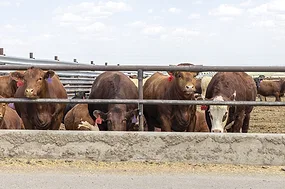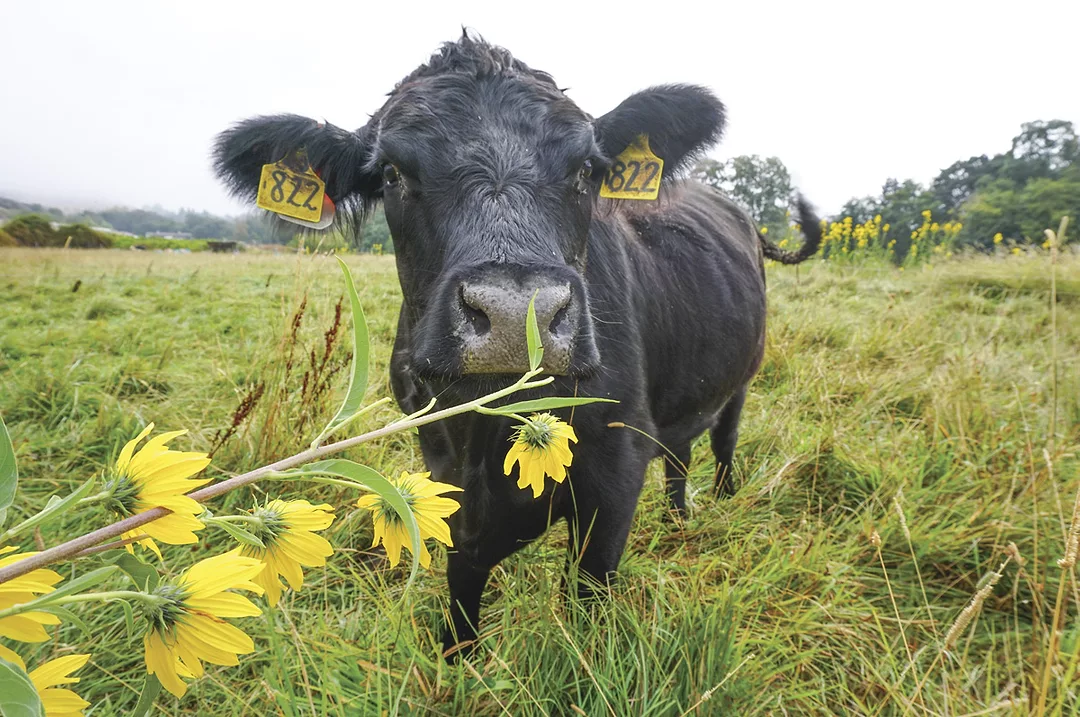
Cattle production is often at the mercy of major influences, such as market volatility, government regulations and feed supplies and shortages. These prominent factors undeniably shape the industry and impact producer success on a broad scale. However, it’s not always the headline-making elements that determine outcomes; sometimes, the key lies in returning to basics and recognizing more subtle contributors. Even something as simple as the role of bees in maintaining environmental balance can offer unforeseen benefits to cattle operations.

Student turns advocate
While studying forestry at the University of Montana, Sarah Red-Laird developed a passion for bees, working in the honeybee lab and later researching die-offs in Midwest cornfields.
“I came to realize the way today’s agriculture works is harmful to these insects,” Red-Laird says. “Not because farmers don’t appreciate them, but because of the way agriculture is set up. I thought if agriculture is the problem for their survival and conservation, it also must be the solution.”
In 2010, Red-Laird left academia to launch the nonprofit Bee Girl, inspired by her college nickname. Through Bee Girl, she promoted beekeeping education and engaged children and rural communities in curiosity about the insects.
Later, she developed a five-year bee-monitoring project, recognizing the potential to rehabilitate overgrazed land, which sparked her interest in pasture management and livestock integration.
“Once I learned land dedicated to livestock is the largest land use in the U.S., I thought I’d hit the gold mine for possible conservation,” she explains. “I dove in to learn everything I could about range management, pasture management, livestock integration and holistic and regenerative ag and grazing methods.”
From there, she rebranded her organization to Bee Regenerative, pursuing research and education partnerships.
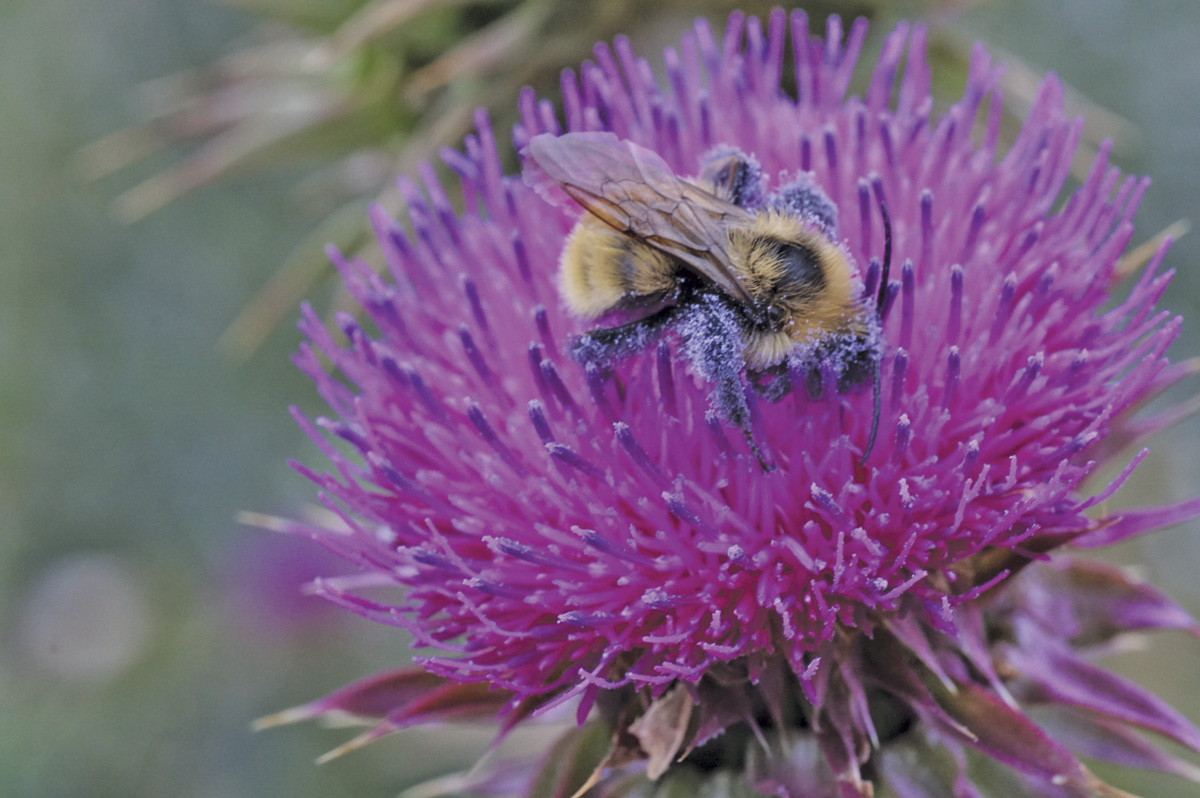
Bees are key facilitators of plant health and diversity, which in turn provides more nutrition to grazing livestock. Image by Sarah Red-Laird, Bee Regenerative.
Numbers and systems affect vitality
According to the Apiary Inspectors of America, the winter of 2024-25 saw the U.S. experience record commercial honeybee losses. A 2017 study by the Center for Biological Diversity found one in four wild bee species at risk of extinction, threatening native plants like serviceberries and saskatoons, as well as wildlife such as black bears and grizzlies, which rely on these plants for food.
Numbers also rise and fall due to factors like varroa mites, disease and lack of forage, often worsened by urbanization. Challenges remain constant, with a loss of natural habitat from development and intensive farming practices consistently threatening the insect’s vitality.
“Monoculture systems like corn and soy, managed for one species and not for diversity, are completely against nature’s functions,” Red-Laird says. “Nature will fight us to the end, and it will always win. We must have diversification within an ecosystem.”
Farmers rely on chemicals to sustain this monocropping, but this approach can be broadly harmful to insects. No single class of pesticide is solely responsible; the entire system is problematic. Crops such as corn lack nutrients for pollinators and wildlife. Feedlots and overgrazed pastures further reduce flower availability, depriving bees and other wildlife of essential food sources.
“Cows love to eat flowers, and flowers have the flavor, vitamins and nutrients,” Red-Laird says. “In general, if a pasture is overgrazed, we won’t see many flowers, mostly compacted soils and closely clipped grass.”
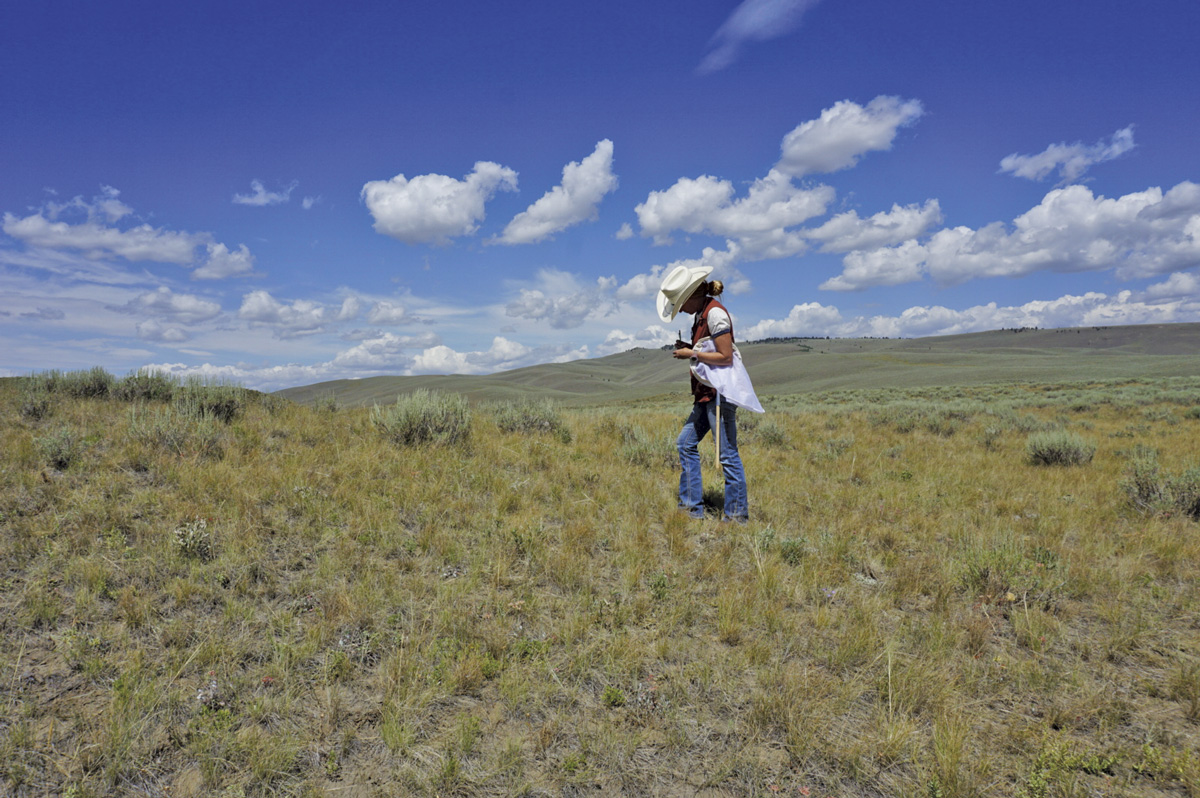
Sarah Red-Laird has dedicated her career to helping agriculture work more in concert with natural pollinators like bees and other insects. Image by Sarah Red-Laird, Bee Regenerative.
Can bees be a part of beef sustainability?
Corn, soybeans, canola, alfalfa and similar crops are self-pollinating. However, cattle producers often plant clover and other legumes for their livestock, which benefit from pollination. This creates a mutually beneficial relationship between beekeepers and cattlemen. Bees help increase clover seed set, leading to healthier, more nutritious forage, while they, in turn, gain nectar and pollen, improving honey quality. Efficient pollination reduces the need for reseeding, making it a win-win for both parties.
“They’re the facilitators of plant reproduction and plant diversity, and the more diversity above the soil, the more below, meaning the soil and plants are healthier,” Red-Laird says. “The more nutritious the grass and other plants are, the more diverse the plant landscape is, the better. Diversity in grasses, plants and forages doesn’t happen without pollinators.”
Strategic cattle production supports bees
In her view, rotational grazing and adaptive management help counteract pasture overuse and benefit bees by letting flowers bloom, improving soil and supporting pollinators and wildlife. Regular movement and herding of livestock lean into maintaining stewardship and assist pollinators.
“I’m a bee nerd with my eyes on the ground. Cow people have different lenses, and as they’re usually up on a horse, a quad or side-by-side, they might not see what I see,” Red-Laird explains. “It’s important we work together, communicate and build a trusting relationship. Come up with plans that work for everyone. Trust building is a key part of conservation.”
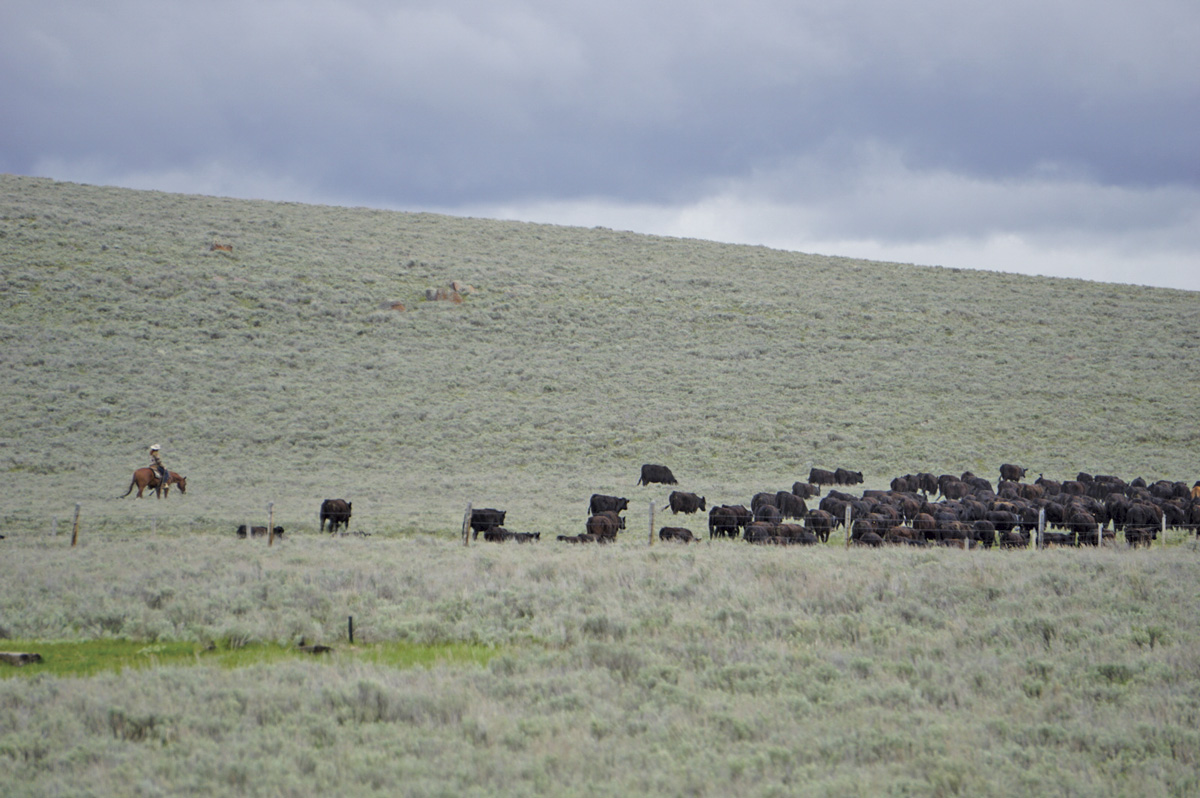
Sarah Red-Laird believes building trust between ranchers and pollinator conservationists is foundational to each party finding the best balance of profitability and sustainability. Image by Sarah Red-Laird, Bee Regenerative.
Finding the sweet spot
“In a natural setting, it all comes down to context,” Red-Laird says. “Of the 4,000 species of bees in the U.S., honeybees are the only domesticated ones, with the rest being wild. Think of them like cows, and native bees like wildlife, or songbirds, etc. The native species are good at balancing themselves out; there are specialist pollinators and generalist pollinators. Everyone has their role.”
Successful integration of honeybees into agricultural practices tends to rely on holistic grazing and management, maintaining proper carrying capacity and providing ample floral resources. It’s vital to ensure enough forage for both domestic and native species to avoid competition and disease. Overcrowding leads to illness and pathogen spread. Beekeepers must also manage their colonies to prevent infection of local pollinators. These practices parallel wildlife and cattle management strategies.
Increasing the number of insects in the environment boosts plant diversity and pollination. They enhance pollination, supporting both biodiversity and agricultural productivity. The more present, the healthier and more productive the fields become, helping both farmers and the ecosystem.
“Working with cattle producers on bee projects is usually extremely positive,” Red-Laird says. “I think it’s exciting that ranchers can be a significant part of the solution in conservation. It’s simple, but it’s not easy. If it were easy, everyone would be doing it, and all the bees would be fine, plus the animals would also benefit. The simple part is that great opportunities for conservation partnerships exist and are waiting to be acted on.”