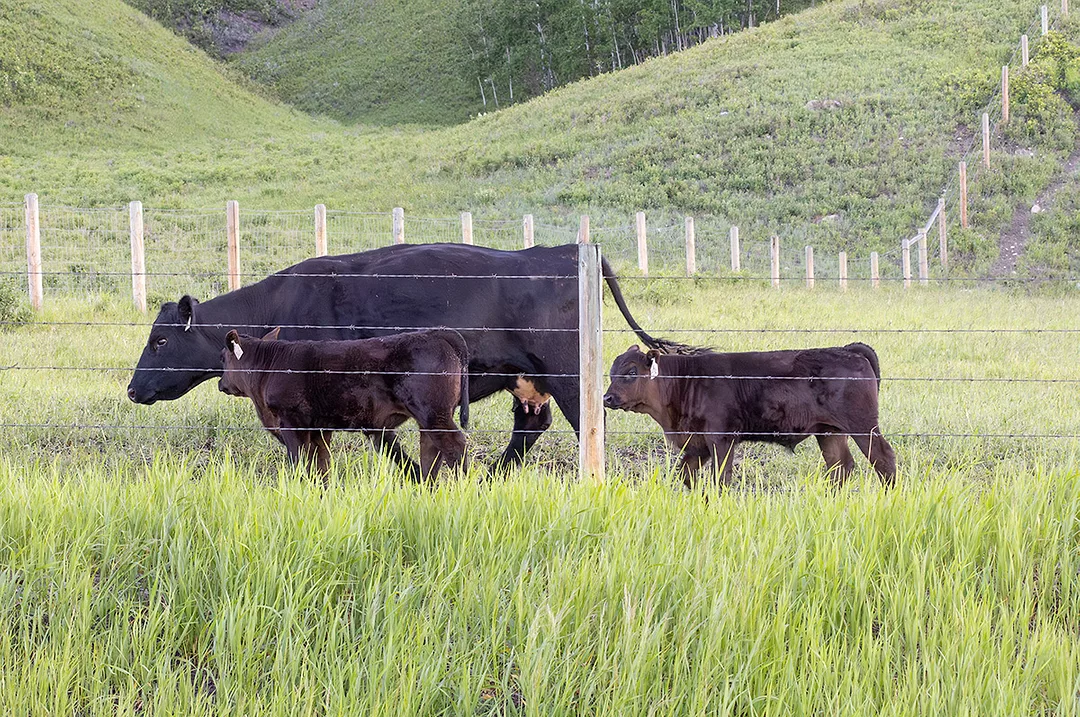
We’ve made it through the winter, and calving season is starting to wind down. There’s nothing better than spring. Cows return to lush, green pastures as we ponder the mating decisions of the upcoming breeding season. The present time is critical for quality nutrition because we are asking for the most from our cows during the annual production cycle. Since cows not only have to maintain themselves but also nurse a calf at side and breed back quickly, nutritional tools come in handy. Think ahead and proactively set up your herd’s reproductive success with some of these considerations.

When anyone mentions spring grazing issues, the first thing that always comes to mind is grass tetany. Grass tetany is a metabolic issue caused by low magnesium levels in the blood. Believe it or not, the magnesium levels in grass don’t really change much throughout the year. Tetany results from high potassium levels in lush, rapidly growing forages, interfering with magnesium absorption. That’s what leads to the drop in blood magnesium, causing the clinical symptoms we can see. Nitrogen can interfere with magnesium absorption, too, so if you’ve fertilized your pastures, be aware of the potential risks of grass tetany. There are high-magnesium mineral supplements available that can effectively prevent any issues, but keep in mind that they are bitter and not as palatable to cows. Keep an eye on mineral consumption because if they don’t eat the high-mag mineral, they may not get the other trace minerals you’d want to maximize reproductive success.
Our spring-calving herd is at the peak of its nutritional requirements. We are doing a service to our herd by allowing access to lush pastures with elevated protein and vitamin levels, right? Some of these extremely lush, rapidly growing forages can be washy and low in dry matter (DM) content. A 1,300-pound cow needs to consume roughly 26 pounds of dry matter daily, and if the DM content of the grass is as low as 20%, then she’d have to consume 130 total pounds of grass daily to meet this requirement. She will likely feel full after consuming 100 to 125 pounds of grass. She can’t physically consume enough forage in extremely washy situations. If your cows were well adapted to a winter feeding regime and then turned out to a washy pasture, they may fall into a negative energy balance. Going from a positive to a negative energy balance during the breeding season is one of the top reasons cows slip past the first service and extend next year’s calving interval.
Nutritional considerations
If you’re fortunate enough to still have carryover hay, provide some dry hay to increase the dietary DM intake. This will also dilute the total potassium consumed and help with grass tetany issues. I also recommend providing a daily prebiotic through your mineral that can boost the microbiome, too. Research-proven prebiotic products exist that can improve volatile fatty acid (VFA) production in the rumen by 16%. If your cow can get the same energy as feeding a pound of corn just by getting more out of the forage she consumes, it could be more than the difference between a body condition score (BCS) 4 and 5. Considering the fact that 70% of the immune system is in the gut, the added health benefits of a prebiotic can profitably complement your vaccination program. Proper health and quality nutrition during the breeding season are the differences in producing healthy, efficient pounds in your weaned calf crop next year.
Take care of the bull, too
I’ve focused a lot of attention on the cows, but we all know it “takes two to tango.” Your herd bull is the star athlete of your program, and he will represent half of the genetics in next year’s calves. His nutrition and health are paramount to achieving the reproductive success you’re after. If you purchased a bull like me, slowly adapt him from his high-energy presale diet to a more forage-based program. If possible, give yourself at least 60 days to nutritionally prepare your herd sire for the breeding season, because that’s the length of the spermatogenesis cycle. Feed a mineral that has organic sources of copper, manganese and especially zinc. High levels of readily absorbed zinc are linked to good hoof health, improved sperm morphology and improved immune function. Delivering prebiotics in a highly fortified vitamin and mineral supplement, you can ensure that the star athlete of the herd can effectively cover females.
We ask a lot of our herd to breed back in time when nutritional requirements are highest. You think you’re doing a service to your cows by turning them out on lush pastures, but never assume that the grass is always greener on the other side. In fact, I challenge producers to think outside the norm and consider prebiotic use in a vitamin/mineral supplementation program to maximize their reproductive success and remain profitable this upcoming production year.