It’s typical for newly weaned or sale barn-acquired calves to experience multiple stressors simultaneously when brought onto the farm. This might be the first time those animals are introduced to fermented feeds; corn silage, haylage or both; and grains. In addition to the new diet, there is a new home along with new penmates and a social hierarchy. These changes can compound on top of the stress of removing the calf from their dam.

The question is, what foundations can we have in place postweaning to aid a smoother transition from calf to feeder?
The first 14 to 28 days postweaning and postreceiving are critical for establishing dry matter intake (DMI) and rumen microbial adaptation to new feedstuffs. Forming a robust postweaning strategy can help moderate the challenges associated with this period. Ultimately, the goal of most programs can be summarized as reducing stress on calves (and people), decreasing disease challenges and optimizing performance. The most successful program is the one that fits your operation and management style. Below are a few general cornerstones of successful programs.
Water consumption
We often hear how water is the most important nutrient. This is certainly the case for newly weaned or transported calves. Water consumption is associated with saliva production and DMI, necessary steps in helping calves adapt to an unfamiliar environment. To support rumen function and DMI, calves should have immediate access to clean, palatable water. Consider placing multiple waterers or large tubs along fencelines to match their natural movement patterns.
Generally, once weaned and placed in a new pen, calves will search for their dam by bellowing. This can cause calves to get sore throats, which can further deter them from eating. Additionally, these calves may not be familiar with float-valve waterers and instead be accustomed to drinking out of ponds, creeks or tubs. It can be a scary first interaction with the waterer if a calf’s first drink is as the float kicks on the water supply.
Nutrition support for rumen development and immunity
The stress associated with weaning and transportation can depress a calf’s immune system as well as upset the rumen microbes and rumen pH. Maintaining a stable rumen pH has been shown to improve DMI and reduce the risk of subacute ruminal acidosis.
On arrival, providing a high-quality mixed-grass hay can help stabilize the rumen and allow the microbes to begin repopulation. Consider balancing a ration specifically for this group while monitoring intakes with your nutritionist to establish benchmarks for when calves are ready for the next step.
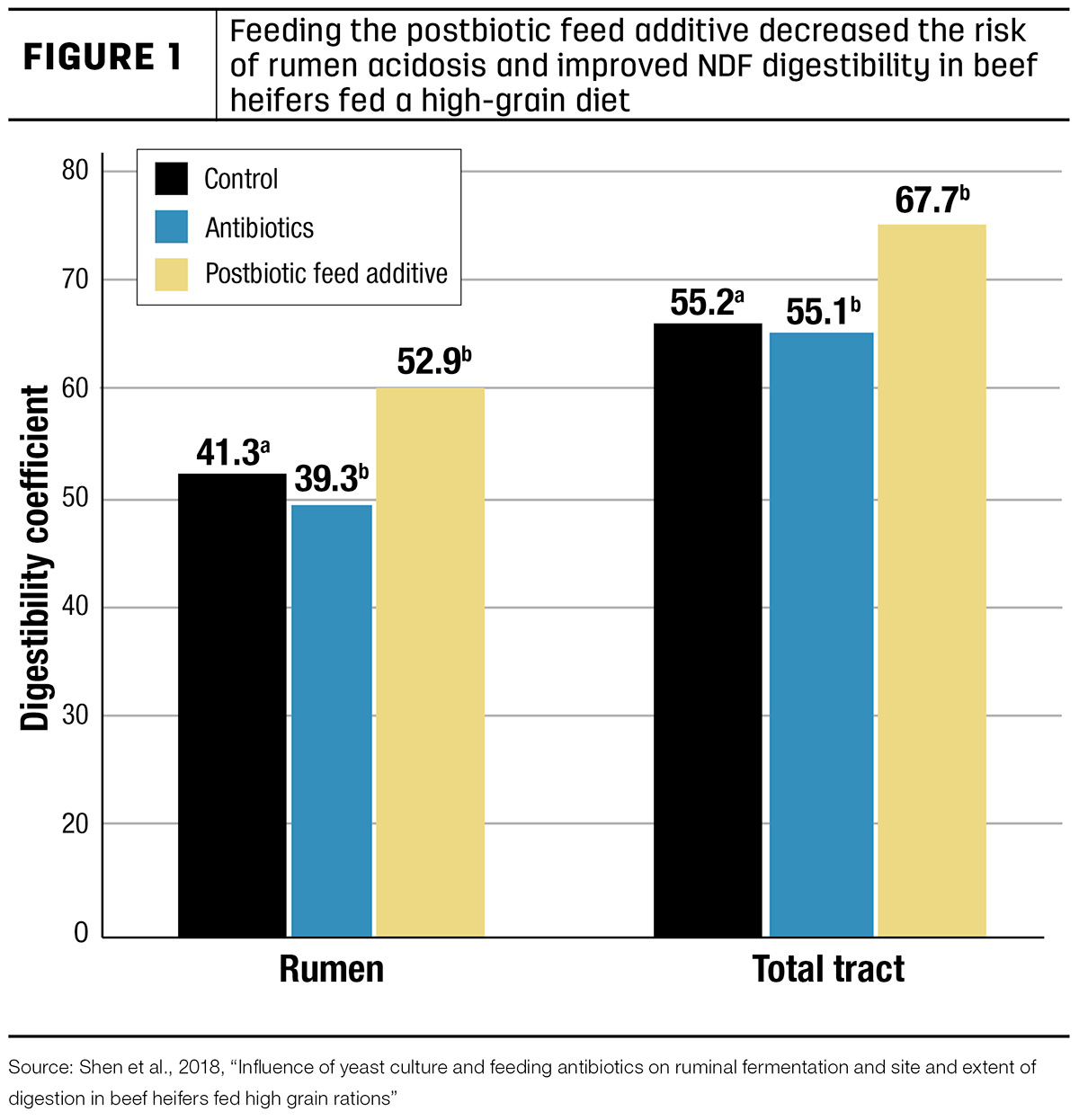
Also, ask your nutritional experts about feeding supplements. Supplements designed for both preventive and therapeutic purposes can significantly aid calves in overcoming illness and supporting weight gain and performance. Each class of supplements has its place in the toolbox depending on the situation, such as coccidiostats and/or ionophores (Figure 1). Supplemental postbiotics are a newer tool and have been shown to increase DMI during challenges, improve forage digestibility and microbial balance, and enhance gut barrier function.
Monitor intake and make bunk adjustments
Monitoring DMI can help you adjust the ration and amounts you are feeding. If you're feeding in a bunk, try to establish intake, knowing that it's going to increase over time. Monitoring and managing the bunk can show you if cattle are sorting and ensure pens don’t run out of feed. Overfeeding can be just as detrimental to contributing to metabolic challenges as underfeeding during this critical time.
Consider, too, that we are managing these cattle more, whether it be dropping feed, monitoring, sorting or vaccinations. Just like a new environment can induce stress, so can new management practices. Having a schedule or plan for deliberate, calm management practices can lower the amount of interaction and save time.
Figure 2 is from the 1996 South Dakota Beef Report. It displays a line graph that tracks dry feed delivery in kilograms per day over a period of 121 days. The graph compares two feeding methods: “MD” (a controlled feeding method) and “ad lib” (allowing animals to eat freely).
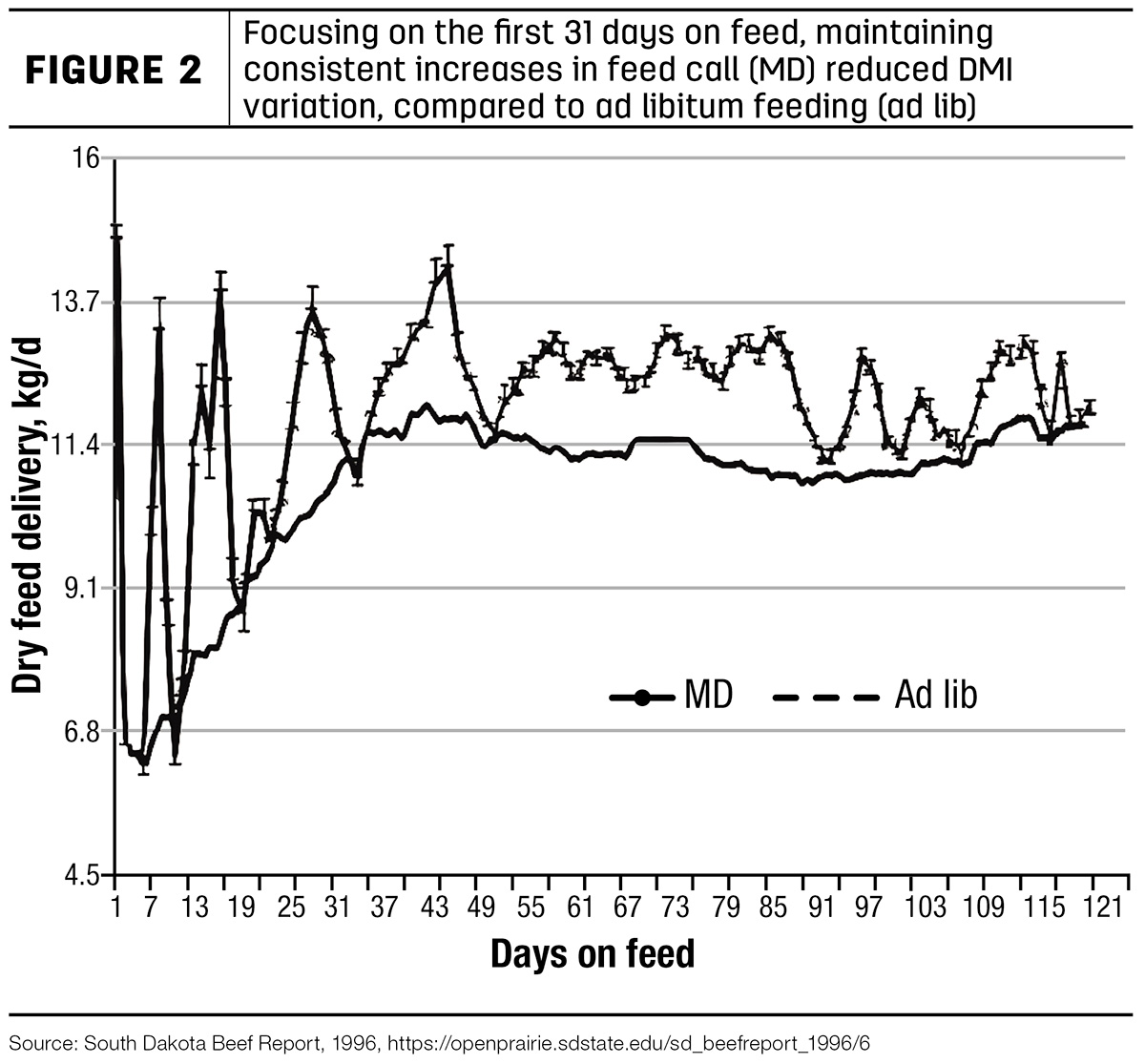
The key observations are: Both feeding methods start at a low delivery level and increase over the first few weeks. The ad lib method shows more variability with higher peaks and lower troughs compared to the MD method. After the initial increase, the MD method maintains a relatively consistent delivery rate. The ad lib method generally delivers more feed than the MD method.
As much rest as possible
Adopt a minimum of 1 to 1 rest-to-transport ratio prior to processing calves. A 12-hour trailer ride means that calves should have at least 12 hours of rest. Upon arrival may seem like the opportune time to run every calf through the chute to vaccinate ahead of a disease outbreak. Vaccinations, by design, are meant to elicit an immune response, training the immune system to recognize and build antibodies to combat those specific pathogens. To respond to vaccinations requires adequate body reserves. Consider allowing cattle to rest, rehydrate and refill the rumen before processing.
An additional consideration is retrieving vaccine records if these calves are bought from a sale barn. Consult vaccine histories when available to avoid redundancy and coordinate protocols with your herd veterinarian for correct timing of respiratory and clostridial coverage.
Early disease detection and therapeutic intervention
Effective health starts with having clear protocols in place to identify and manage sick calves early. This can involve training employees to recognize subtle signs of illness – such as lethargy, droopy ears, downcast eyes, a lowered head or reluctance to move – and promptly pulling those calves for closer evaluation.
Developing a treatment plan with your veterinarian can mean faster and more consistent care for calves. This can include specific protocols for respiratory challenges, digestive upsets and lameness, as well as guidelines for separating sick animals to limit the spread of disease.
Keep an eye out for common issues: digestive problems like bloating and acidosis, changes in manure color or consistency and signs of coccidiosis such as bloody diarrhea. The goal is to catch illness early, act quickly and support recovery while keeping performance on track.
Overall, a consistent, evidence-based postweaning program customized to operational needs reduces morbidity and improves performance. These key considerations are a starting point for developing a postweaning and receiving strategy. Finding what works best for your operation is where you will find the most success for your herd. A great strategy is one where you and your team continue to adjust based on cattle needs and challenges.
References omitted but are available upon request by sending an email to the editor.
Following these key recommendations will better enable your calves to maintain health and performance in the weeks immediately following weaning and receiving.
Water access
- Calves need 1 to 2 gallons of water per 100 pounds of bodyweight per day.
- Provide multiple water tubs and/or tanks.
- Place water tubs and tanks along fencelines where calves will naturally encounter them.
Nutrition
- Provide dry, long-stem hay (mixed-grass variety).
- Collaborate with a nutritionist to develop a balanced ration that includes the proper amounts of protein, energy, vitamins and minerals.
- Consider supplements like postbiotics for gut health, as well as ionophores and/or coccidiostats.
Bunk monitoring
- Check if the ration in the bunk matches what was mixed.
- Observe whether cattle are sorting feed.
- Be prepared to adjust based on observations.
Stress reduction
- Recognize that weaning and transportation are inherently stressful.
- Provide a calm environment.
- When possible, minimize processing upon arrival.
Health protocols
- Collaborate with your veterinarian to develop predetermined protocols for different illnesses.
- Monitor calves for common signs of digestive upset, respiratory challenges and coccidiosis.
- Create a system for sorting and treating sick calves.