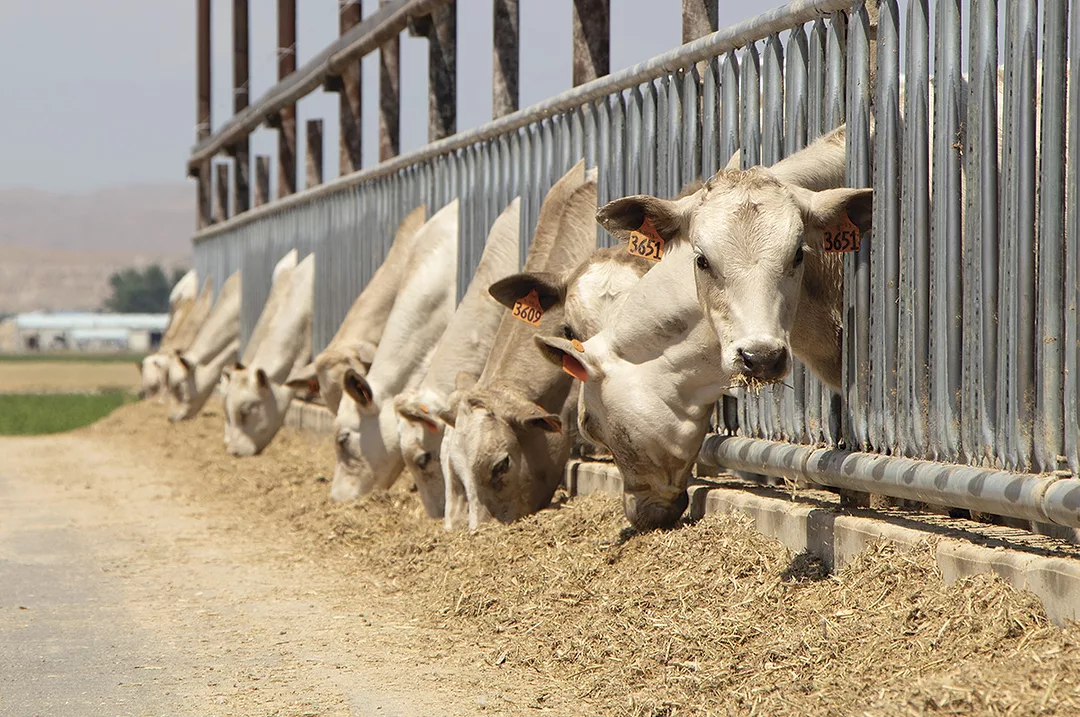
Starting feedlot cattle correctly is one of the most important parts of the entire feeding program. A feedlot animal is being asked to make a major transition: from pasture, backgrounding or a previous management system into a high-energy, tightly managed environment where rapid weight gain is the goal. The “starting phase” or first days after arrival determine how quickly cattle become acquainted with their penmates and surroundings, how well they begin eating and adapting their rumen to a new ration, all of which help determine how likely they are to stay healthy in their new environment. A good start supports faster gains, better feed efficiency, fewer sick animals and more consistent performance throughout the duration in the feedyard. A poor start, on the other hand, can lead to reduced intake, illness, weight loss and long-term setbacks that add to days on feed and reduce efficiencies across the board.

Feedlot cattle are under pressure from the moment they arrive. They may have been transported long distances, mixed with unfamiliar animals, handled multiple times and moved from a forage-based diet to a higher-energy ration. That transition creates a challenge and, if not done well, puts stress on the animal. The goal of a good starting phase is a managed, intentional program designed to reduce stress as much as possible and help cattle adapt quickly and safely.
Why the starting period matters
The first days and weeks in the feedlot are when cattle are most vulnerable. Calves are dealing with new surroundings, new penmates, new water sources, new handling routines and a completely different ration. Their immune systems are likely already challenged by shipping stress, weather and dehydration. At the same time, their digestive system must adjust to new feedstuffs and a new feeding pattern. Together, these stresses negatively impact immunity, feed intake and rumen function, each of which are essential for ensuring success in the feedlot.
A good start is not just about getting feed in front of cattle. It is about providing optimal conditions according to what that animal needs from feed delivery, feed quality and nutrient composition for its rumen to transition to the new diet and program. That also means clean water, low-stress procedures when handling, proper bunk management and a ration designed to encourage intake that doesn’t overwhelm the animal. Modern, high-production feedlots are designed to produce consistent efficient gains, but that only happens when cattle adapt properly – socially and nutritionally. In other words, the starter phase is not just a management detail; it is the foundation of the entire final finishing phase of the feeding cycle.
Health and performance
Health and starting-phase performance are closely connected, as calves that are stressed or sick usually eat less, gain less and require more labor and treatment costs. Newly received cattle are at higher risk for respiratory and digestive illness from cumulative stressors associated with shipping, commingling, handling and weather-related changes. On top of all these, when not managed properly, digestive upset is also a risk when the diet changes too quickly. Starting cattle on a safe, palatable and easily digested fiber-based diet ensures a healthy rumen transition and creates a level plane of nutrition for the newly formed group of cattle so that once adapted, the higher-energy diets that follow are easily tolerated.
When cattle start well, they are more likely to consistently maintain intake, adjust socially and appropriately respond to the feeding program, resulting in progressively sustained and efficient weight gains. That early stability also matters because a sick or off-feed animal rarely catches up to penmates completely, increasing pen weight spreads and overall pen inconsistency. In many cases, the difference between a profitable animal and one that is not begins in the first week after arrival.
Step-up diets
Cattle are ruminants, allowing them to consume and digest a wide variety of feedstuffs; however, the rumen microbes must be allowed to adjust to the type of feeds being offered. A sudden move from a high-forage grass or hay diet to a grain-heavy ration can significantly disrupt rumen microbial function and create problems such as ruminal acidosis, diarrhea and lameness, all resulting in reduced feed intake and overall poor performance. This is why the industry emphasizes that on-farm feed teams must recognize the importance of well-managed starter diets.
Starter rations are usually more forgiving than finishing rations, considering the high-forage, low-grain composition. They help newly received cattle transition gradually by including more fiber, highly palatable ingredients and additives that support stable digestion. The overall purpose of this ration design is to train the animals to come to the bunk, eat consistently and allow the rumen microbes to adapt to a stable diet. The more quickly cattle begin eating, the faster they settle into a routine. Consistent intake is one of the strongest signs that the starting process is working. Once the group has sufficiently adapted in the starting phase – as measured by consistent dry matter intake, consistent manure and low or no health events – cattle can progress onto more concentrated diets with less risk.
Ration palatability
One of the biggest challenges in starting newly received cattle is getting them to eat quickly. Newly arrived cattle are often confused with a new environment, stressed from a long trailer ride and unfamiliar with the feedbunk presentation in the lot. This is why palatability matters. Properly selected, quality feed ingredients that improve smell, texture and taste can help entice cattle’s interest and stimulate early feed intake.
Supporting rumen health
Some feed ingredients are included not just to add nutrients but to support digestive health. Yeast and yeast products, direct-fed microbials (DFMs) and rumen buffers are commonly used in many starting phase-feeding systems to help cattle adapt. Other benefits from additives that aid in rumen health, like DFMs, can provide immune system support that goes beyond just the gut, impacting respiratory and liver health. While results can vary by operation, these products are often considered useful tools in a well-managed starter program.
Beyond feed
Even the best feed ingredients or additives will not help start cattle properly if clean water and a comfortable environment are not provided. Clean, hygienic water consumption is essential for optimal feed intake and digestion, as well as recovery from transport stress and its associated dehydration while on the road. Balanced and supportive vitamin and mineral programs also impact starting-phase diets because deficiencies of these nutrients can slow digestive adaptation and weaken immune defenses.
Producers can focus heavily on additives while overlooking some of these basics; any missing pieces to starting cattle can create gaps and negatively impact the program. The foundation of a good starting phase is always the same: ample and accessible clean water; consistent feeding program that provides safe, palatable feed; and a comfortable pen. Feed additives work best when they support these cattle feeding fundamentals rather than replace them.
Wrap-up
Starting feedlot cattle is important because this period establishes the foundation of each animal’s performance relating to health, feed intake, growth and, ultimately, profitability. When the starting phase goes well, there is a much higher rate of success for these cattle to perform for the duration. The beginning of the feeding period is when cattle are most vulnerable to getting knocked off course if management isn’t paying attention. Setting the stage for a proper start allows cattle to adjust to the feedlot, avoid illness and establish the steady eating behavior required for efficient gains. For any feedlot, that first phase, when done well, is one of the most valuable investments to profitability in the cattle-feeding business.