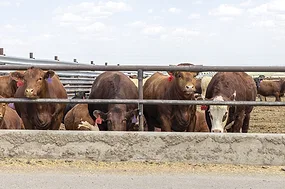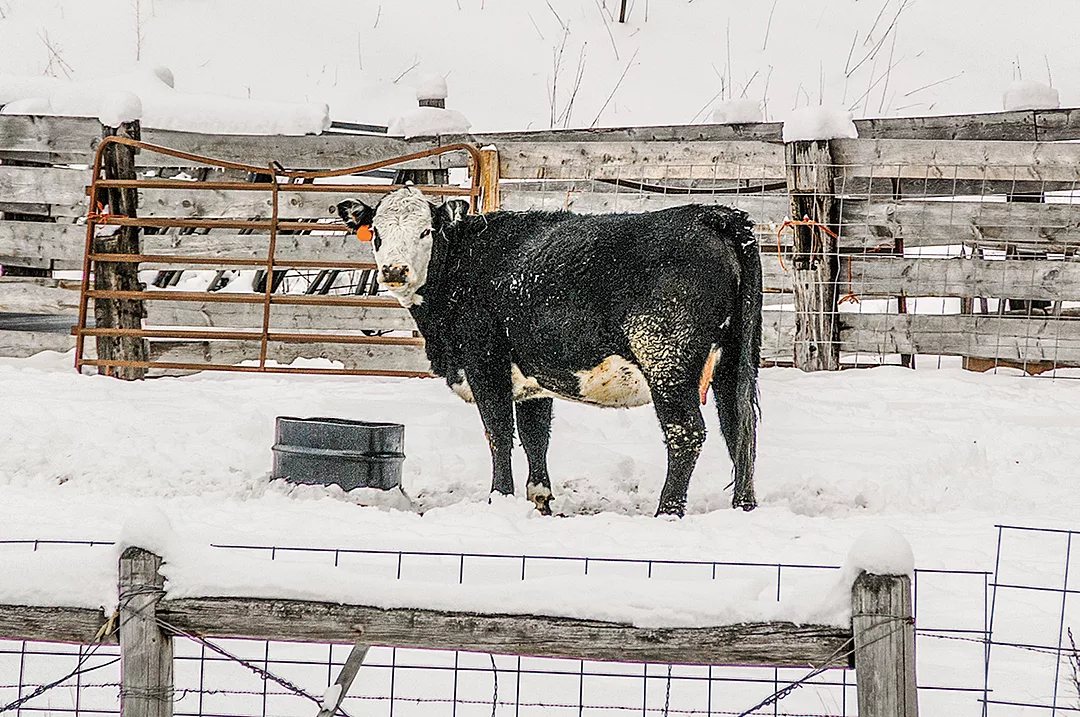
As temperatures drop and winter sets in, beef cattle face increased stress due to cold weather, fluctuating feed intake and higher energy demands for thermoregulation. These stressors can suppress the immune system, making cattle more susceptible to respiratory diseases, digestive issues and other illnesses.

While antibiotics are part of the health regimen for most producers, it might be time to consider strengthening the immune system from within. The gut is home to 70% of the immune system, and incorporating prebiotics into your winter management strategy enhances your herd’s resilience. More robust cows can endure the elements more effectively, allowing them to convert more of their daily nutrition into performance.
Prebiotics and how to use them
We all add treatment to our diesel tanks during the cold months, so think of prebiotics as the anti-gel of the cow’s engine. Prebiotics are nondigestible feed ingredients that stimulate the growth or activity of the microbes in the gut. They serve as fuel for the existing “good bugs” and can provide substantial health benefits for the herd. There are many types of prebiotics in the marketplace, with many differing modes of action. Prebiotics are effective, proactive tools that can stimulate rumen function, nutrient absorption and immune response. Fortunately, we can easily incorporate these powerful technologies in daily supplements, such as your free-choice mineral tub or total mixed ration (TMR).
I always tell producers to treat herd health in a proactive rather than reactive manner. Although I’d recommend year-round use, start feeding prebiotics at least two to four weeks before the first major cold front. This gives the microbiome a chance to adjust and optimize rumen function before the first signs of cold stress occur. For every degree that the wind chill falls below a cow’s lower critical temperature (LCT), she requires an additional percentage of energy to meet nutrient demands for thermoregulation. Prebiotics can improve energy utilization up to 11%. Utilizing the forage more effectively will allow her to partition more energy toward the immune system, colostrum development or preparing the growing fetus for life outside the womb. Instead of using all the nutrition to keep herself warm, she’s providing more for her calf and improving the generational health of the herd. Not to mention, that’s a huge savings on supplementing energy.
Not all our cows are spring chickens, and we don’t always know how weaned calves and high-risk cattle will respond to the cold. Pay extra attention to older cows, commingled groups and cattle confined in tight areas. These cattle are more susceptible to bovine respiratory disease (BRD), bovine viral diarrhea (BVD) and cold stress. We can’t prevent all pathogens from entering the herd, but improving gut function by feeding prebiotics can reduce the viral load that initiates clinical morbidity.
Prebiotics are a powerful tool. When used proactively in conjunction with proper management and health protocols, your herd health will flourish. Adaptive immunity improves with vaccination protocols, but keeping the bad bugs from even entering the system is the key to herd health. If we properly manage manure and have a strong microbiome and healthy gut, the last 30% of the immune system never has to be activated. Keeping the herd healthy boosts your nutritional savings that translate directly into performance that strengthens your bottom line. If you want to incorporate prebiotics into your nutritional management program, you can.
Cold weather brings unique health challenges for beef cattle, but a well-designed, prebiotic-based nutrition plan can offer vital immune support. By fostering a healthier gut environment, prebiotics help cattle maintain resilience, reduce disease risk and perform better during winter stress.